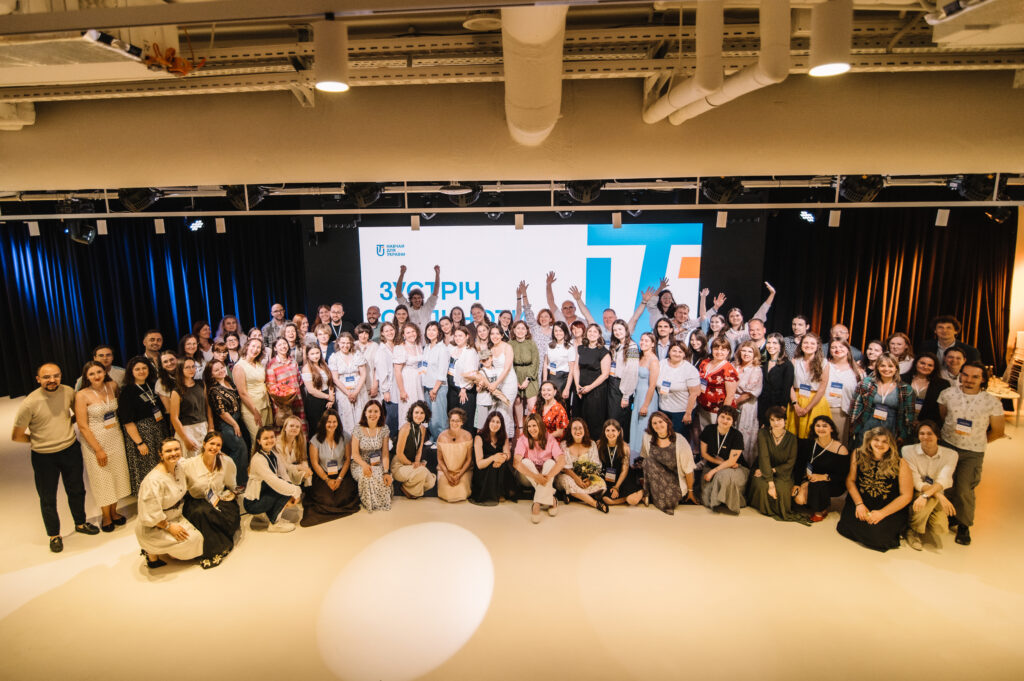
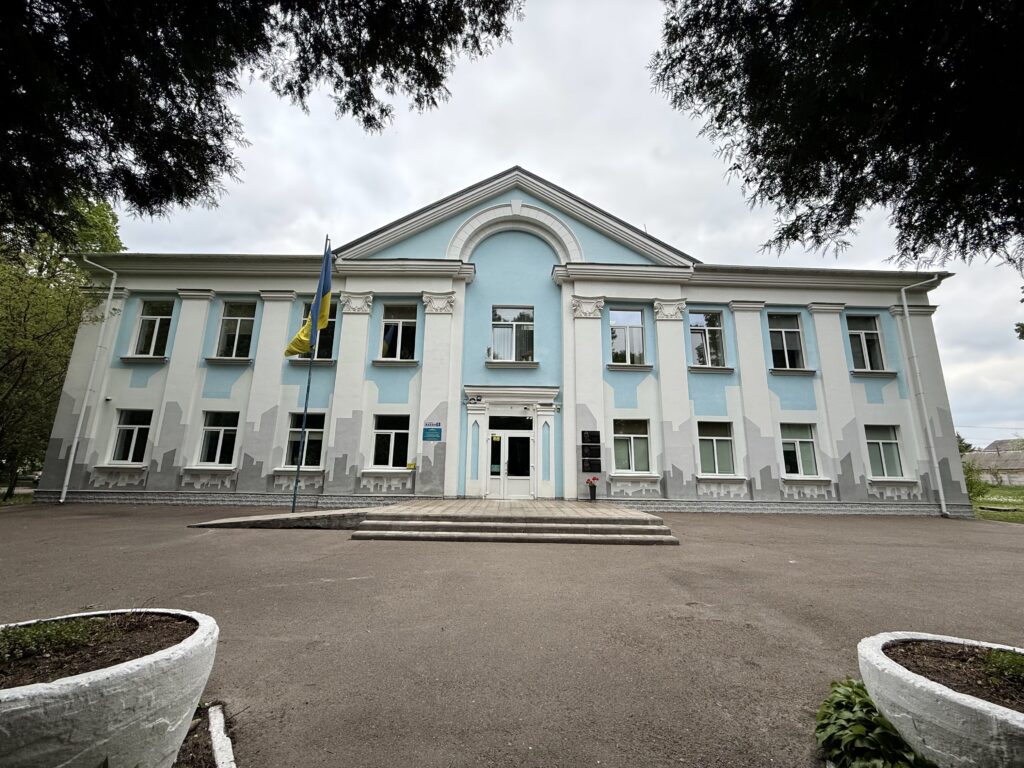
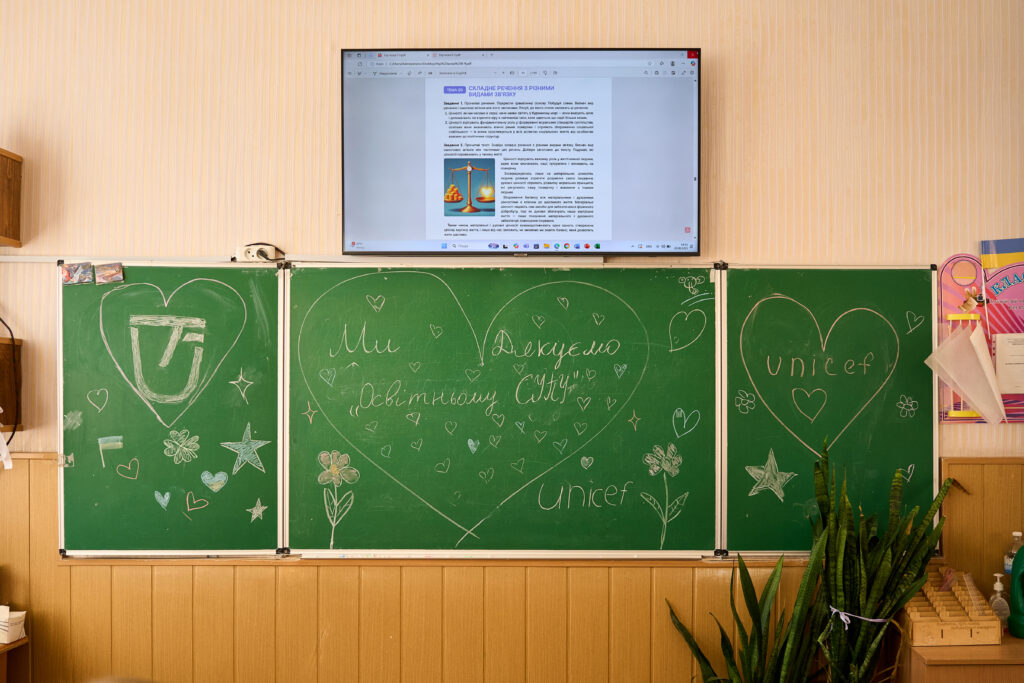
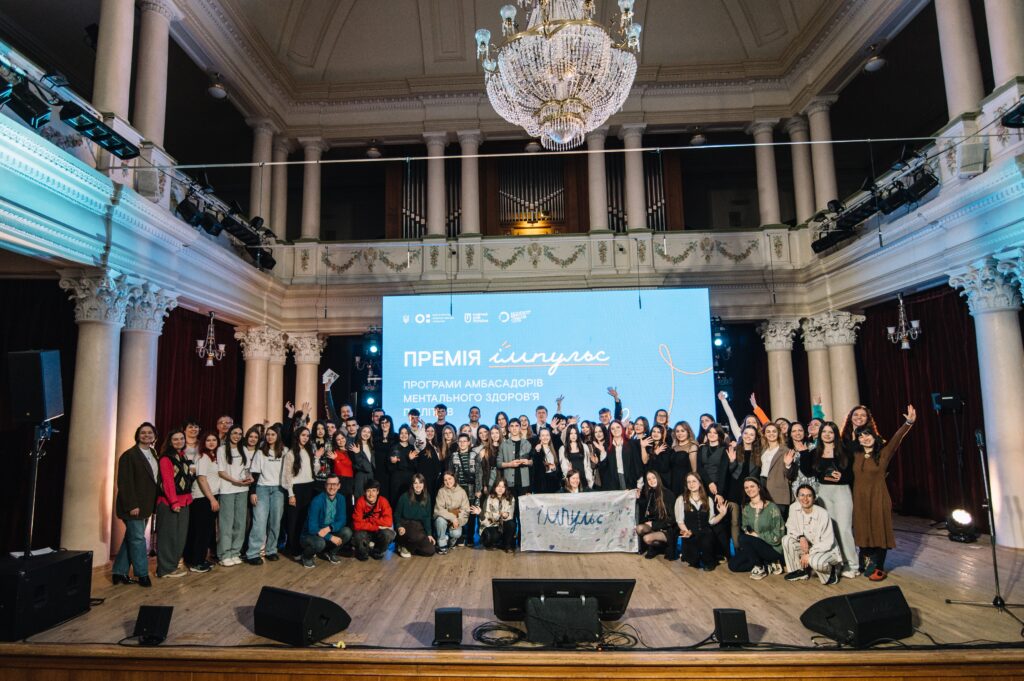
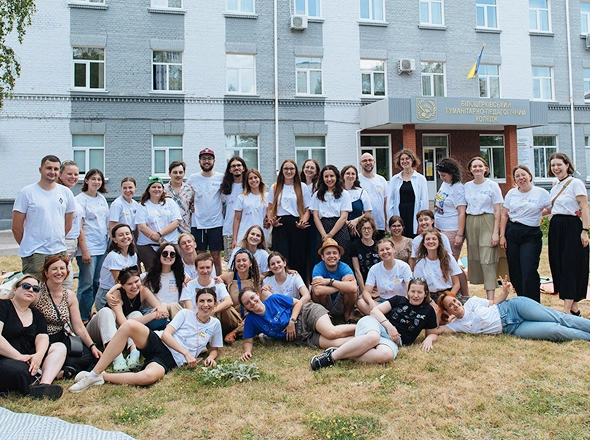
Teach For Ukraine fellows spend one or two years teaching in schools in small communities, becoming role models and a source of support for children. To strengthen their further growth as young leaders, the Teach For Ukraine team created the Professional Mentorship Program.
Imagine: you have been teaching, inspiring, and being inspired yourself. You and your students have implemented great projects, conducted hundreds of lessons, and discovered new opportunities in yourselves and in children. And as you become an alum of the Teach For Ukraine Fellowship, you begin to wonder: what comes next?
At this very moment, a mentor can become valuable support — someone who has already walked a long path in business, the civic sector, or education, and continues to grow. Someone who sees your strengths and helps you notice and amplify them. Someone who works with you to identify which new skills to develop, where not to invest resources right now, which direction to take, and how to recognize the important signposts along the way.
So what does mentorship at Teach For Ukraine mean?
The Professional Mentorship Program is a three-month individual collaboration, during which experienced professionals support second-year fellows and alumni of the Fellowship in their development. Together, they create a space for knowledge exchange and meet twice a month to work on an individual development plan, planning, and exploration.
Examples of mentorship requests include:
– Career planning and goal-setting
– Project management
– Building partnerships and networking
– Resource mobilization
– Public speaking and communications
– Educational innovations and pedagogy
– Personal branding and professional identity
– Support during career or workplace transitions
Most importantly, it is a space of support and trust, with someone by your side who has already faced difficult stages and can share their experience.
Mentors: who are they?
Mentors are experts from diverse fields: education, the civic sector, communications, career development, and business.
Among those who joined our program are:
Viktoriia Simakova – Project Manager at the Ministry of Education and Science of Ukraine, founder of an English school, expert in project-based learning.
Kateryna Kulevchuk – Talent Development Specialist in the HR Department of UNICEF Ukraine, project manager, facilitator, coach.
Olha Kazakova – Trainer at the International Tutoring Academy, mentor at Teach For Ukraine, research associate at the Institute of Gifted Child of the National Academy of Pedagogical Sciences of Ukraine, certified gestalt psychotherapist.
Valentyna Merzhyievska – Co-founder of the alternative school BerkoShko and the NGO Valentnist. Rethinking, author of educational materials and explainer books, co-author of the podcast Repainted Fox.
Mykhailo Alokhin – Director General of the Directorate of School Education, teacher, education manager, PhD in Social Work.
Liudmyla Slyva – Project Manager, expert in public policy, methodology specialist.
Olena Honorovska – Career Consultant.
Ihor Khvorostianyi – Head of the Project Office for implementing the New Ukrainian School reform at the Ministry of Education and Science of Ukraine.
Olena Severenсhuk – Strategic curator of a project on developing programs and teaching materials for teachers.

«This program is beneficial for both sides. Because conscious requests and mutual choice are what largely determine the success and joy of cooperation.» — mentor Olha Kazakova.
«Overall, I really enjoyed this experience and realized that I do have something to share. At first, we discussed purely professional issues, and later my mentee asked my opinion in a personal context. It was moving, but it also showed how much trust had formed between us in such a short time.» — mentor Valentyna Merzhyievska.
What does mentorship mean for fellows?
It is not only about hearing mentors’ stories and recommendations, but also about learning to see one’s professional path more broadly and in a longer-term perspective.
«What changes did I feel? I felt seen and heard. I felt that my skills and experience are valued. And this really matters to me.» — Teach For Ukraine alumna Mariia Papchenko.
«Applying to this program was the right decision. I was able to define more clearly what I am looking for and what I want for my future professional development. I started to believe more in myself, my abilities, and the value of my experience. Thanks to my mentor, I sent a resume for a vacancy I was initially afraid to apply for. And now I’m already working as a manager — and I’m succeeding.» — alumna Viktoriia Lukashchuk.
How are mentorship pairs formed?
Participants write motivation letters and describe their requests.
Mentors get to know them and agree to cooperate.
Together, they create an individual development plan and work on it over three months.
After completing the program, both participants and mentors fill out feedback forms to evaluate the progress and impact of the collaboration.
The Mentorship Program highlights and nurtures unique individual experiences and new opportunities. It is not only about a professional path, but also about developing leadership skills needed to discover oneself, transform communities, and change society.
Mentors do not tell you what to do or give direct instructions. Instead, they are there to help you better feel and understand yourself — your aspirations, goals, fears, and opportunities.
«I started paying more attention to my own achievements and those of my team, reflecting even more from a growth mindset perspective.» — Teach For Ukraine alumna Viktoriia Muzyka.