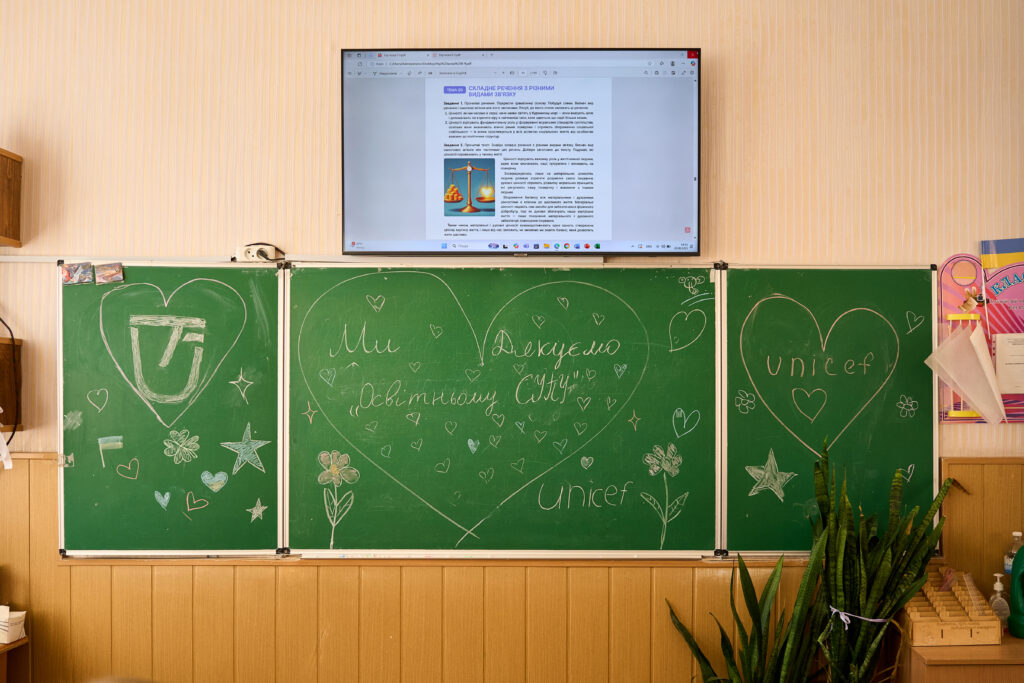
Memes about emotions, carousel posts with tips on support, and art workshops for younger students — this is how teenagers in Liubotyn, Kharkiv region, are talking to their peers about mental health.
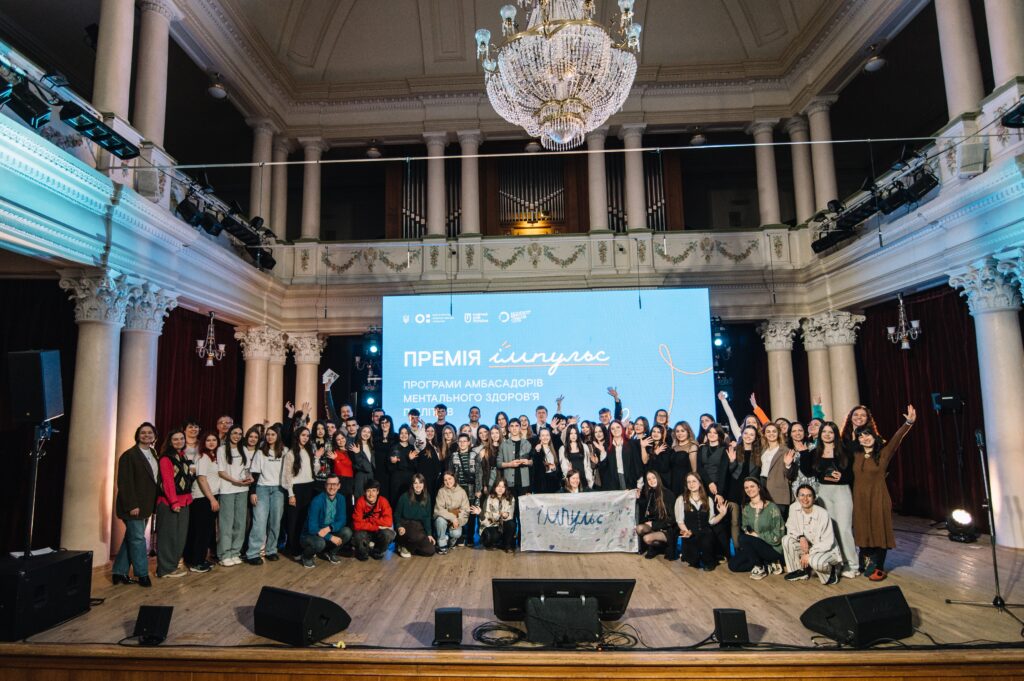
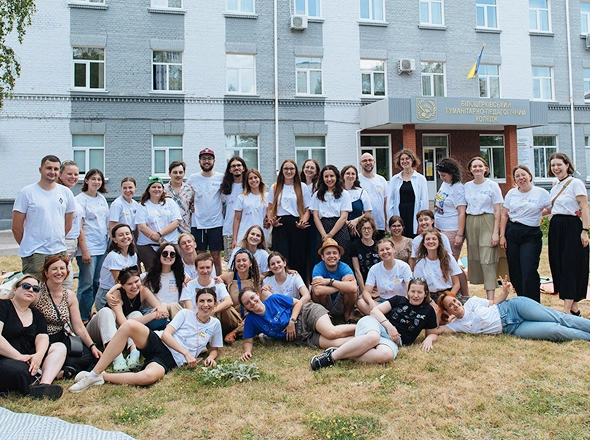
The team of ambassadors, formed as part of the Impulse program by Teach For Ukraine, combines online content with offline activities to support their peers.
Today, the need for such initiatives is especially urgent. According to the study “Adolescents’ Wellbeing and Learning During War,” only 8% of teenagers turn to adults at school when they need emotional support. Instead, they are far more likely to share their experiences with friends and peers. This is why the core idea of the Impulse program — teens supporting teens — resonates so strongly.
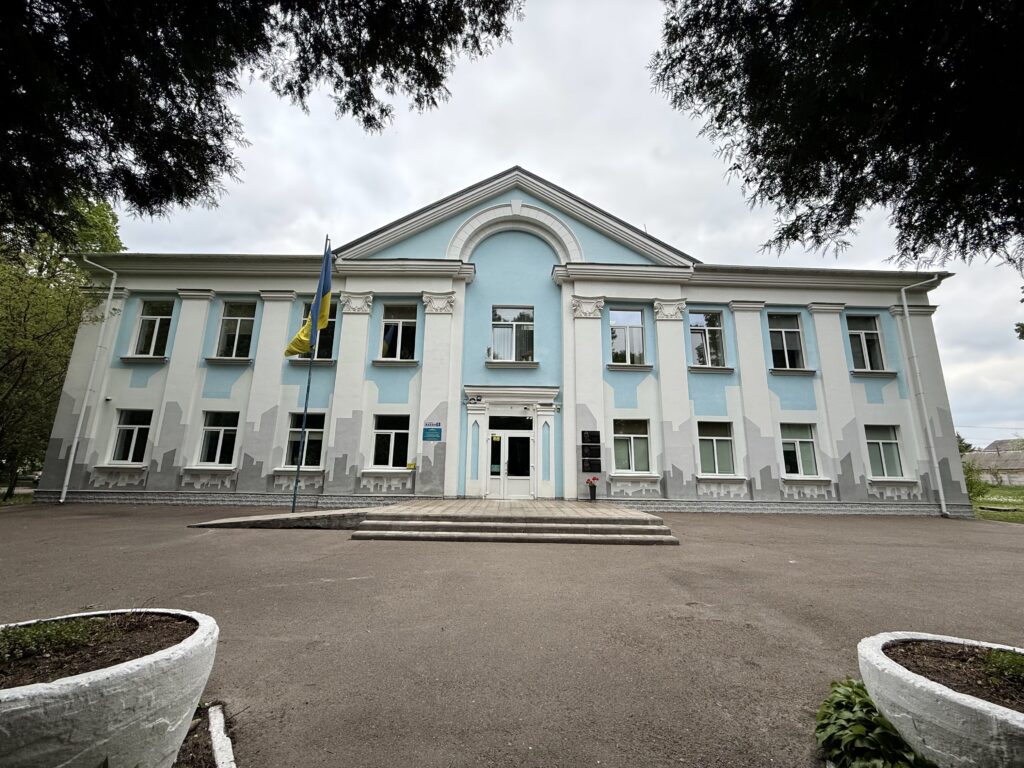
In Liubotyn, the ambassador team includes five high school students and their coordinator, art teacher Artur Volodymyrovych. In an interview, the team shared insights into their activities and reflected on what mental health means to them.
The program is implemented within the Multi-Year Resilience Programme 2024–2026 (MYRP), funded by Education Cannot Wait (ECW), the United Nations global fund for education in emergencies and protracted crises, and supported in Ukraine by the Ministry of Education and Science.


One of the team’s main focus areas is social media. The teenagers run a TikTok account and a Telegram channel where they post memes, carousels, videos, and short tips about emotions, self-worth, and support.
Their workflow resembles that of a real media team. The coordinator drafts a monthly content plan, and the students divide tasks among themselves: some create carousel posts, others design memes, and others edit videos.
We work with a plan: for each date, we prepare carousels, memes, reels, or quotes. Then we share everything in a group chat, review it together, and make changes if needed,” — the team explains.
To create content, the teenagers use a variety of tools — from design software to AI. But most importantly, they focus on topics that feel relevant to their peers. For example, one idea they plan to explore further is social comparison and its impact on self-esteem.
Alongside their online work, the team also organizes offline activities for younger students. One format is an art club called “Expressing Yourself Through Colors.”
During one session, participants created an “emotional body map.” They first drew a human silhouette and then marked where in the body they feel different emotions — such as joy, shame, or anxiety.

“For example, someone might feel joy in their smile or head, while shame can show up as sweaty hands,” the ambassadors explain.

In another session, the team brought magazines and invited younger students to create collages — their own “maps of support.” Children cut out images representing what supports them: family, favorite foods, flowers, or hobbies.
“After the sessions, the kids came up to hug us, smiled, and wanted to take photos. It was very sweet,” the ambassadors recall. “These activities make me feel that I have an impact at school. Others genuinely enjoy what we do.”
Another important outcome of the program is new friendships. Some team members barely interacted before joining.
“We didn’t really communicate before, but through this project we became friends. Now we work together, and it’s really great,” — the teenagers share.
The team has even developed its own inside jokes. One phrase — “Lyokha, bring some tea” — became a local meme after their coordinator jokingly asked one of the participants to bring tea several times.
The ambassadors say the program has also helped them reflect more on their own mental health.
“This project shows that you shouldn’t forget about yourself. You can support others, but it’s just as important to take care of your own mental well-being,” one participant says.
This aligns closely with the findings of the “Adolescents’ Wellbeing and Learning During War” study. Teenagers are ready to talk about their emotions, seek support from peers, and better understand themselves — they just need a spark.
And that’s exactly what Impulse aims to provide.