Article prepared by the editorial team of UP. Life.
Parenting is no easy task — particularly when a child enters adolescence and their behaviour begins to change. One moment they are a cheerful girl or boy, tirelessly asking questions and sharing everything that matters with their parents. Then, almost overnight, that chatter gives way to silence. Parents are left with the sense that their child has grown distant and now prefers the company of peers.
And that process is entirely normal. Adolescence is a time of transformation and self-discovery. Yet it is precisely during this period that support becomes most important — and simultaneously that “blind spots” emerge for adults, places beyond the reach of parental or teacher oversight. How do you help a child who isn’t asking for it, even though they need it? And how do you do so without pressure, without force, but gently — through encouragement and education?
It is with adolescent mental health in mind that NGO Teach For Ukraine launched the Impulse program. As part of the project, 10 teams were established across eight regions of Ukraine. Each team comprised five teenagers and one coordinator — a teacher or psychologist. The primary goal was to equip young people with the skills to promote mental health awareness within their schools.
The Impulse program is implemented within the framework of the Multi-Year Resilience Programme 2024–2026 (MYRP) and funded by Education Cannot Wait (ECW), the United Nations global fund that supports education in emergencies and protracted crises. MYRP in Ukraine is implemented with the support of the Ministry of Education and Science of Ukraine.
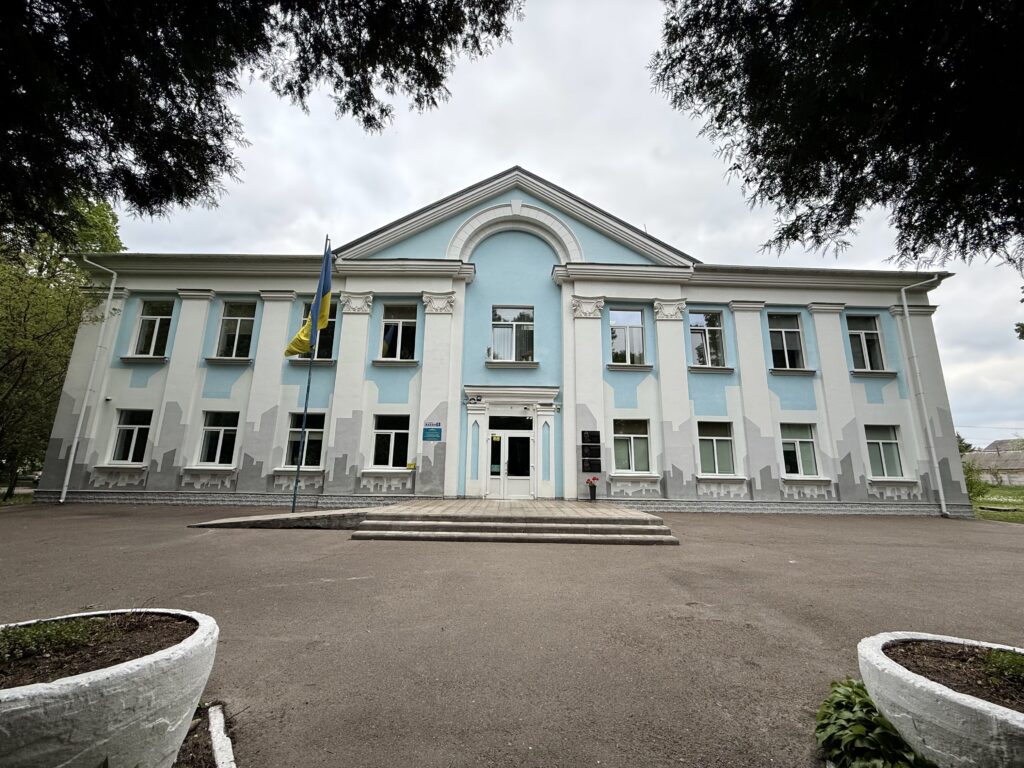
A Space to Be Yourself: How Students at Petropavlivskyi Lyceum No. 1 in Dnipropetrovsk Region Created a Space for Honest Conversations The full-scale war has had a profound impact on the psychological wellbeing of Ukrainians. According to a study conducted by NGO Teach For Ukraine among more than 3,400 teenagers, parents, and teachers across eight regions — Dnipropetrovsk, Zaporizhzhia, Kyiv, Mykolaiv, Sumy, Kharkiv, Kherson, and Chernihiv — 21% of adolescents in Ukraine show symptoms of anxiety, depression, or stress, while cognitive difficulties such as impaired memory, attention, and thinking have become almost commonplace.
For Nataliia, a student at Petropavlivskyi Lyceum No. 1 in Dnipropetrovsk region, joining the project became a way to reclaim a sense of control over her life. The full-scale war had scattered her friends across different cities, shifted learning online, and left behind a deep feeling of helplessness and fear.

“The war made everything psychologically very hard for all of us. When you’re trying to study while explosions are happening around you, it leaves a lot of trauma. The most frightening thing is feeling like nothing depends on you,” Nataliia recalls.
Her team is made up of students from grades 10 and 11. The girls focused on helping their peers and younger students find an inner resource — the kind that helps people cope with life’s challenges and stress. It is built from things like a positive sense of self, the ability to manage one’s emotions, and a desire for personal growth, among others.
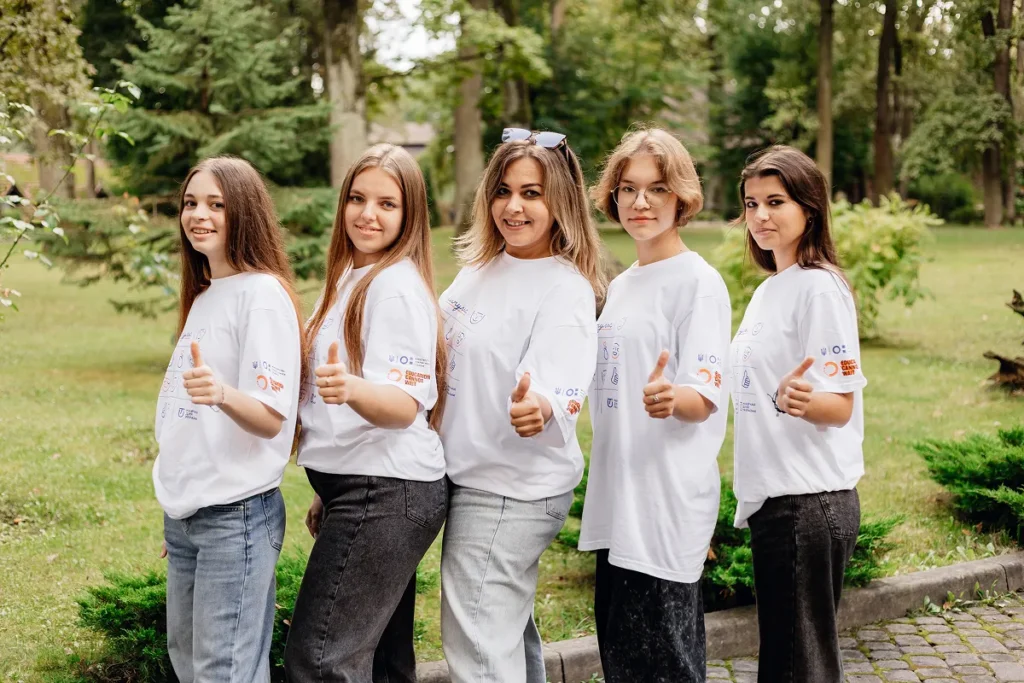
The teenagers were also drawn by the opportunity the program offered: a study trip to Lviv. For some, the experience of becoming ambassadors even served as a kind of career guidance test.
“For some of us, the program defined our future professional path and prompted us to consider studying psychology. When children come up after our sessions and say, ‘This is so interesting, I want to do this too,’ you understand that none of it was in vain,” says student Nataliia.
Nadiia, who studies at the same Petropavlivskyi Lyceum No. 1, decided to join the project because she wanted to restore live, in-person communication between children.
“Since our school is learning remotely, teenagers are desperately lacking support and the simple opportunity to talk to each other,” says Nadiia.
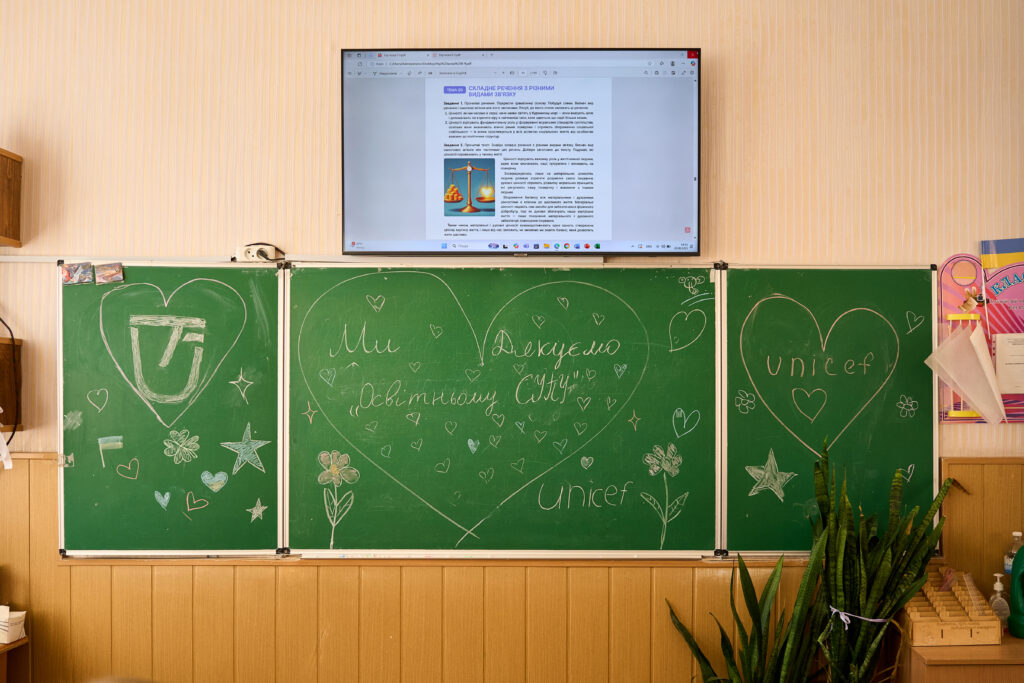
And so a series of projects was born: Talk Time, “A Future Without Panic,” “Cinema Dialogue,” and “A Cup of Tea.” “Cinema Dialogue,” for example, typically lasted one or two lessons: students would watch films together about emotions and the fear of the unknown, then work through how to stop being afraid of what lies ahead.
“At Talk Time sessions, the topics were chosen by the participants themselves — based on whatever was weighing on them at that particular moment. For many, it became a chance to finally say what was on their mind,” Nadiia shares.
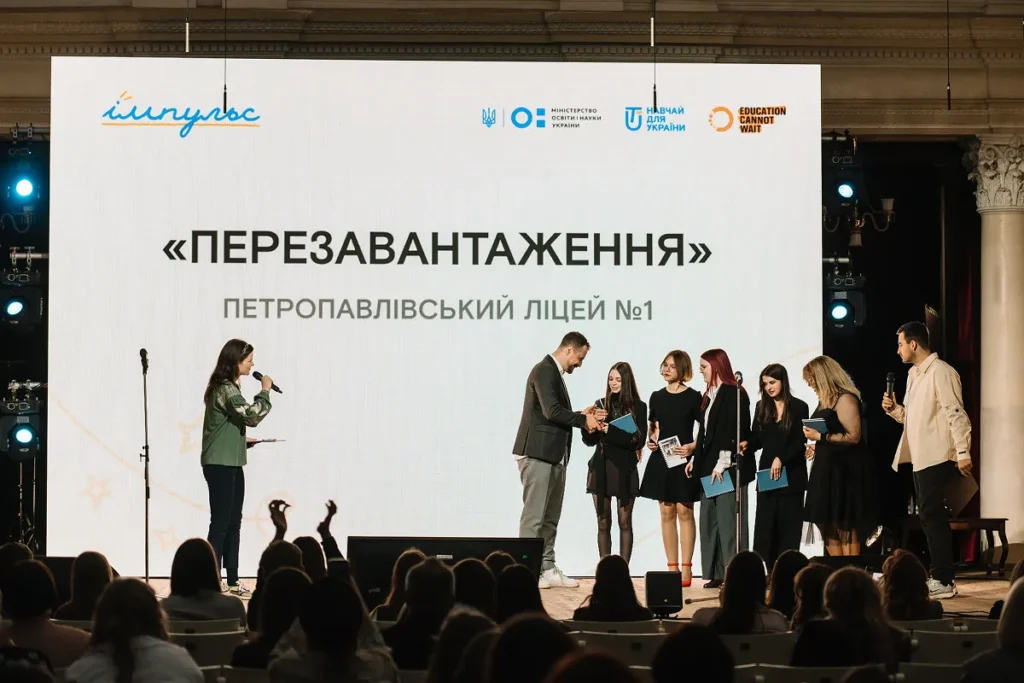
Sessions on choosing future careers were also held for graduating students, while interactive competitions and discussions were organised for younger classes, helping them gain important knowledge about psychology.
Places of Strength and Setting Boundaries: How a School in Vyshhorod Brought Students TogetherFor Olena Serhiivna, a Ukrainian language and literature teacher from Vyshhorod, it all started with a desire to find a project that would help bring her students closer — the prolonged period of distance learning had left its mark.
“During the time of online learning, the children seemed to forget how to express themselves. They were afraid of saying the wrong thing, simply because they had grown unaccustomed to live communication with other people,” she recalls.
Additionally, Vyshhorod — due to its proximity to the capital — frequently finds itself at the centre of events that inevitably affect students’ emotional state.
“Every air raid alert means stress for the children from the sounds of air defence or combat sorties. It was critically important for us to learn how to restore our inner resources and find a sense of safety even under such conditions,” explains Olena Serhiivna.
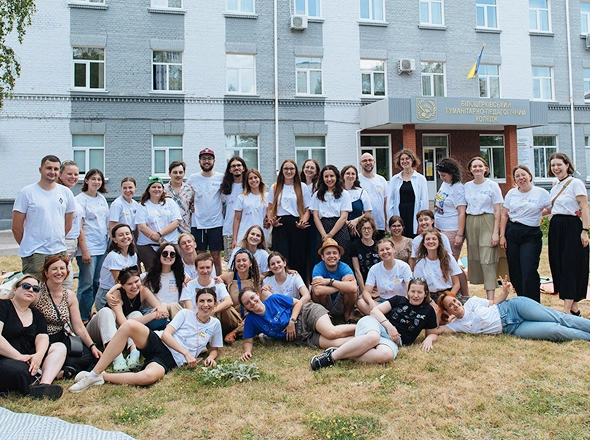
The training camp in Lviv became the starting point: upon returning, the team of ambassadors, led by their teacher, got to work. Rather than delivering lectures, they sought formats that would feel familiar and accessible to their peers.
“We began organising activities for different classes — from art workshops and board games to film clubs. The key was to combine the topic of mental health with engaging leisure activities, so it wouldn’t feel like yet another lesson but rather a format that genuinely captivated,” shares one of the students.
Film clubs played a particular role in the project, where documentary cinema helped students develop empathy and learn to protect their personal boundaries. But what stayed with the students most were the art sessions. For the children, this proved to be the most comfortable form of therapy — through sculpting or drawing, they released stress and learned to talk about their emotions without needing many words.
For the teacher, the most meaningful outcome of the program was seeing the children begin to open up and recognise their own worth.
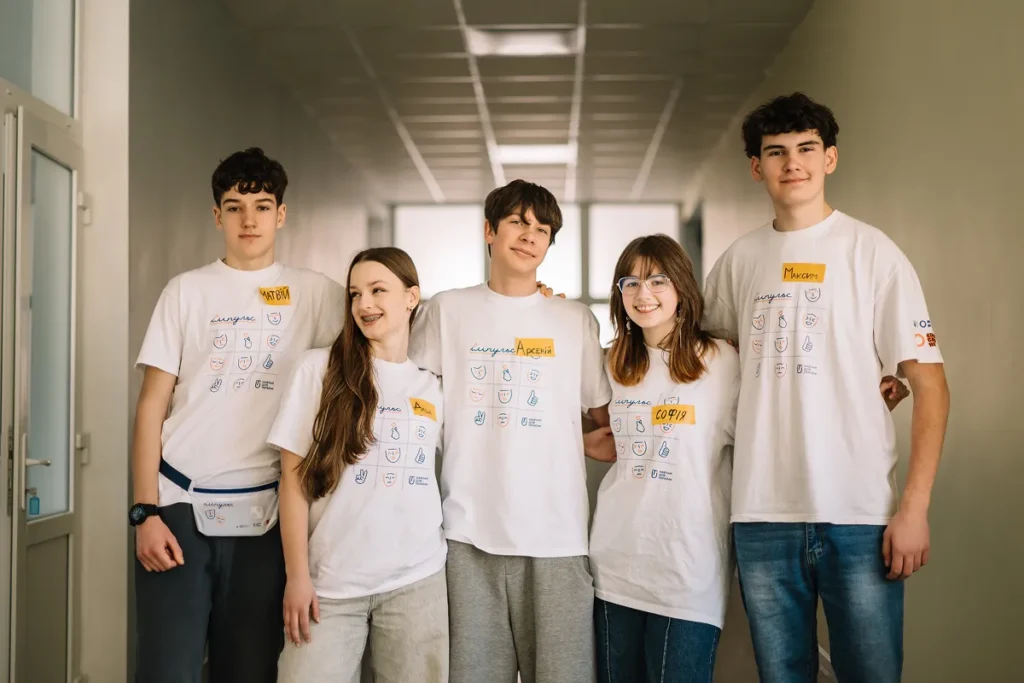
“The children stopped being afraid to express their thoughts and emotions. We were able to normalise the topic of mental health: to explain that how you feel ‘here and now’ matters,” Olena Serhiivna emphasises.
The Impulse program was launched by NGO Teach For Ukraine in August 2025. It gave teenagers the tools to become a source of support for their peers. The guiding principle of the program was the peer-to-peer format.
“We chose this approach because the best results come precisely when a child supports another child. This is the age when trust and a shared experience matter most. It is very similar to how support works in veterans’ communities: a psychologist who has lived through the same experience commands far greater trust. The ability to interact on equal terms helps teenagers open up and feel their own capacity to change the world around them,” says Oksana Ziobro, Communications Director of NGO Teach For Ukraine.
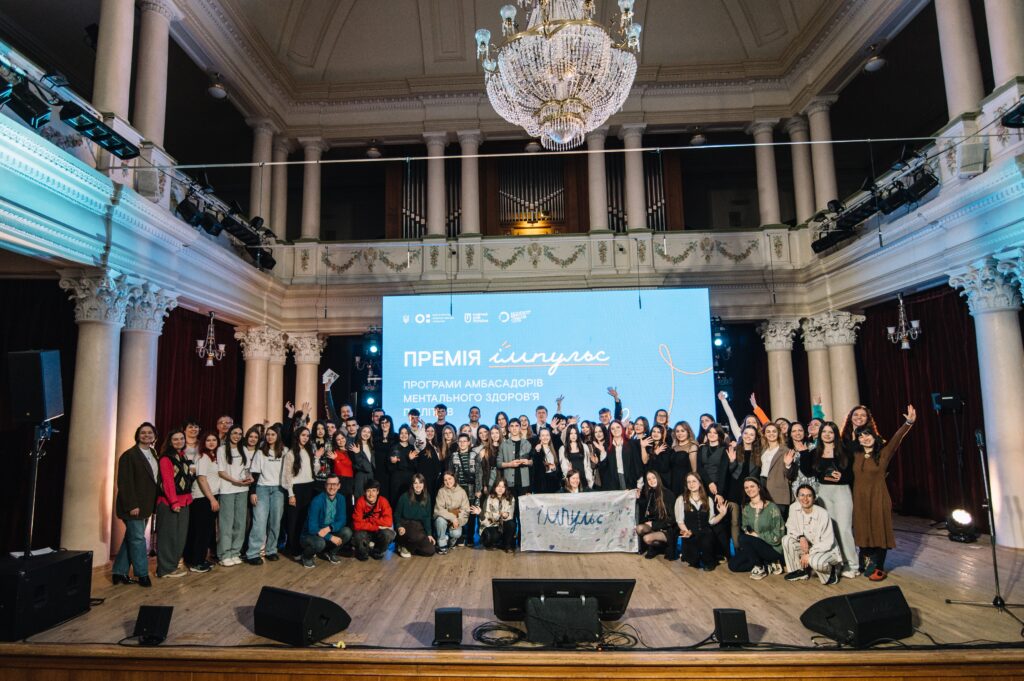
The projects implemented by students in their schools varied widely — from TikTok channels with self-help tips to full courses, lectures, and engagement with local media. The program culminated in the Impulse Award, funded by the United Nations global fund Education Cannot Wait (ECW) and implemented with the support of the Ministry of Education and Science of Ukraine.
“This award is, on one hand, a way to recognise every participant across our teams, and on the other — an opportunity to support all those wonderful initiatives that help teenagers take care of their wellbeing. We wanted to give a push to everyone who feels within themselves the strength to be a mental health ambassador in their city or village,” says Oksana Ziobro.
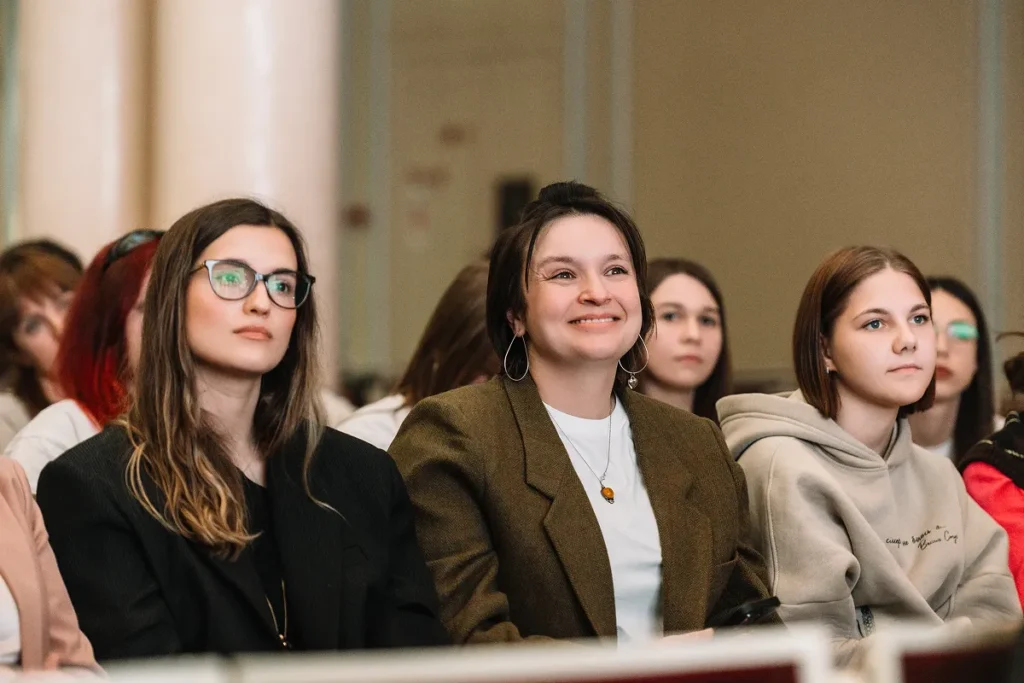
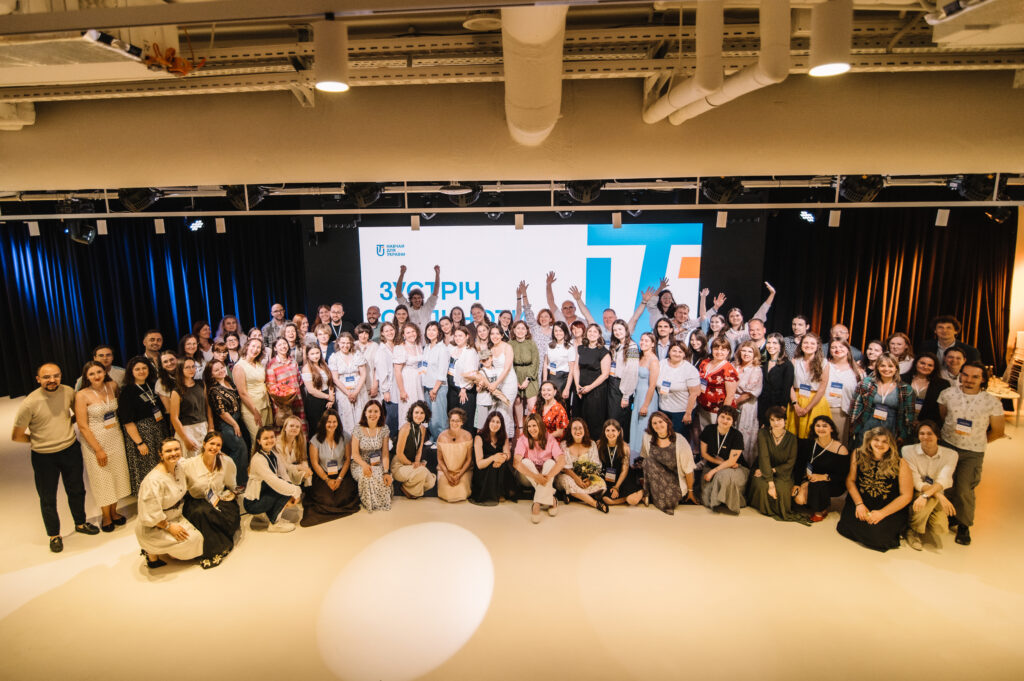
На фото посередині: Оксана Зьобро, комунікаційна директорка ГО “Навчай для України”
The participating teams received recognition in the following categories:
“Courage to Be” — Liubotyn Arts Lyceum “Dyvosvit”
“Presence” — Kharkiv Gymnasium No. 88
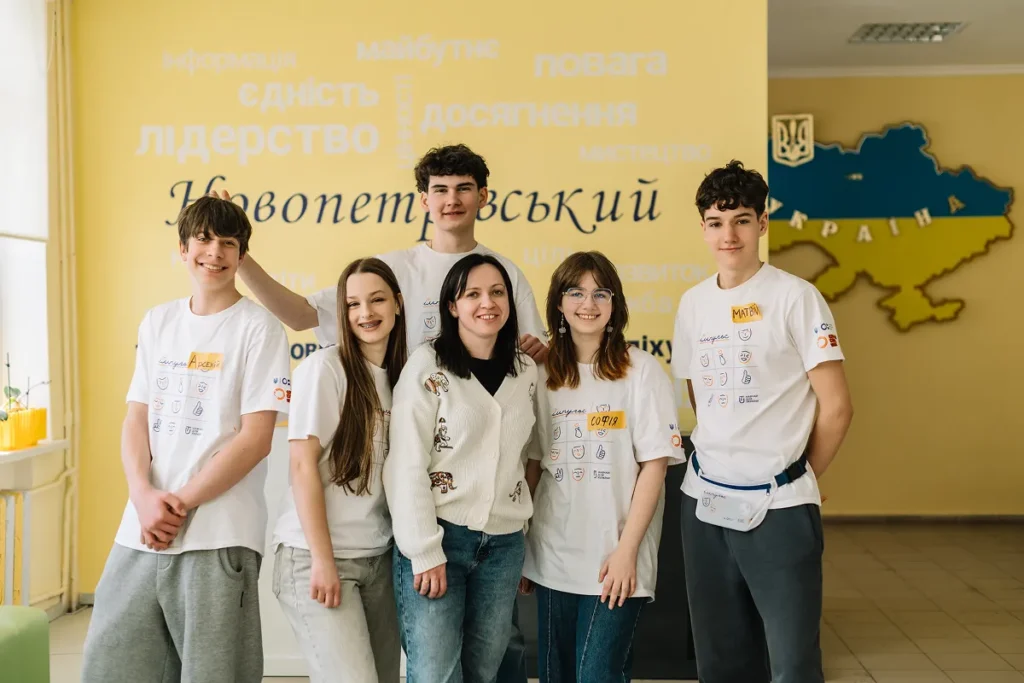
“Team Code” — Novopetrivskyi Lyceum of Petrivska Village Council
“Community Builders” — Zaporizhzhia Academic Lyceum “Elint”
“School Pulse” — Mykolaiv Lyceum No. 55
“Storytellers” — Hrunsky Lyceum
“Reboot” — Petropavlivskyi Lyceum No. 1
“Influencers” — Kryvorizky Lyceum No. 95
“Relay of Experience” — Osterskyi Lyceum No. 1
“Safe Space” — Kherson Educational Complex No. 11
To evaluate the projects, the organisers assembled a jury of opinion leaders from various fields, including Azad Safarov, co-founder of the Voices of Children Foundation; Nataliia Pipa, Member of the Verkhovna Rada of Ukraine; Oksana Ziobro, Communications Director of NGO Teach For Ukraine; Yuliia Tymoshenko, Head of Ukraїner; and Illia Bachurin, social psychologist.
“It was incredibly fascinating to witness this diversity of approaches. Civil society organisations and youth initiatives are finding very precise and expressive ways to support children living through difficult experiences. We understand: stress and disorientation today are a normal response to abnormal events. But there are concrete tools and approaches that help people cope,” Oksana Ziobro notes.
The winner in the civil society organisation category was Charitable Organisation Behind Blue Eyes, which runs creative expeditions in frontline and de-occupied villages, helping children process their experiences through art, podcasting, and exhibitions. According to the jury, this represents an extraordinary opportunity to transform difficult stories into a source of inner strength.
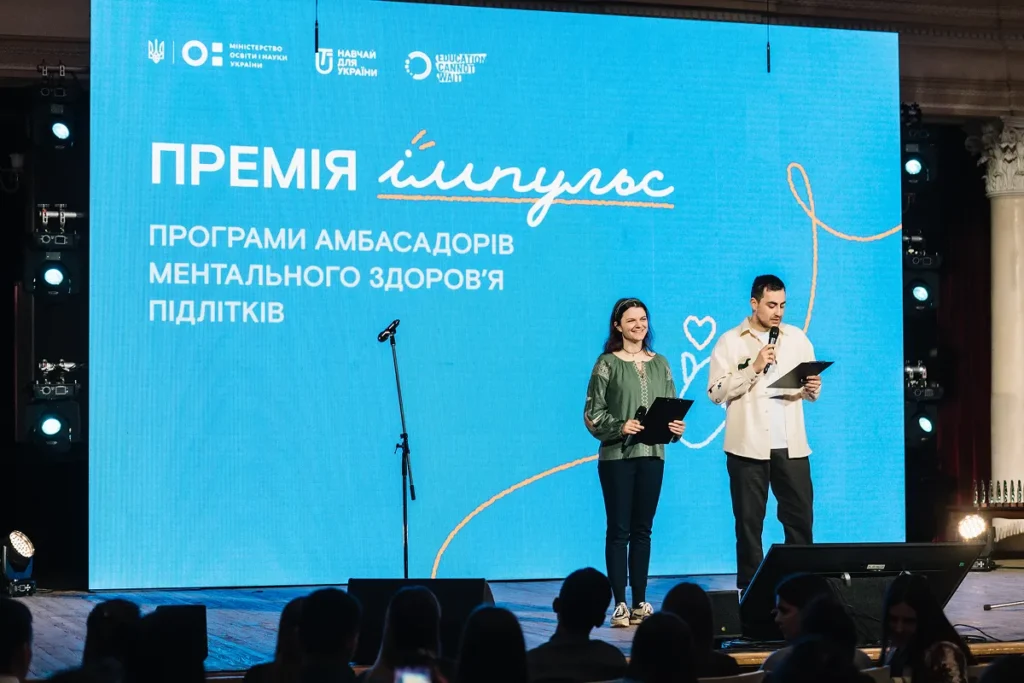
Among youth initiatives, the winning project was created by students of Zlatopilsky Lyceum in Kharkiv region, who built a unique space for their entire community. The team — four close friends from grade 10 — set out to create a “place of strength” where, through sensory experience and art therapy, every student, including children with special educational needs, could work through anxiety. Their hub became a place for a range of activities, from creative gatherings to corrective sessions for children with special educational needs.
According to the participants, after the project children’s communication improved dramatically. It became much easier for them to speak, and they found greater motivation to grow and change.
This proactivity among teenagers in small towns and villages speaks to the depth of the need for local centres of strength. The project gives schoolchildren across Ukraine an impulse of support and understanding, as Oksana Ziobro notes.
“What matters is giving a child space to relax somewhere, to help them understand that their reactions are completely normal. This spark passes from one person to another, and eventually a whole multitude of fireflies appears. One lights up — and thousands of others follow,” says Oksana Ziobro.
Drawing on the results developed within the Impulse program, NGO Teach For Ukraine is developing methodological materials on the mental health ambassador format and the peer-to-peer approach, which will be freely available to any educational institution or initiative.
“We don’t want to control the implementation process — on the contrary, we dream of others picking up this idea, taking our materials, and putting them into practice at their own institution,” adds the Communications Director.
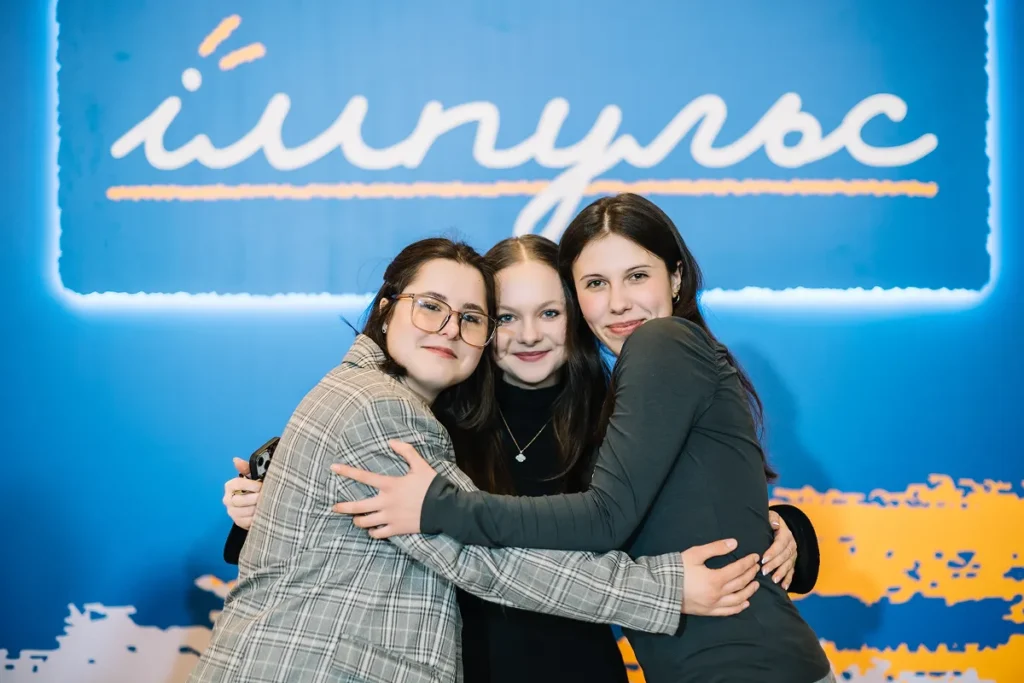
The final award ceremony was not an ending — only a transition to the next stage of the project. Ahead lie new stories, where every conversation with classmates about dreams and the future becomes fresh inspiration.
In May of this year, Impulse 2.0 was launched — this time welcoming 60 students from across different regions of Ukraine.
The enthusiasm of teenagers for taking part in such initiatives only confirms that children are capable of supporting one another — and want to learn to do it as well as possible. Peer communities are becoming a decisive force of support during the very period when parents, through no fault of their own, lose touch with their children. And the task of adults is to help such communities grow, to listen to them, to teach them to care for mental health, and to carry this culture forward.