How can NGOs, government institutions, and international partners effectively collaborate to overcome educational losses? What approaches and practical cases are the most successful in restoring children’s learning outcomes, especially in frontline regions? What systemic solutions are needed at national and local levels to prevent and compensate for educational setbacks?
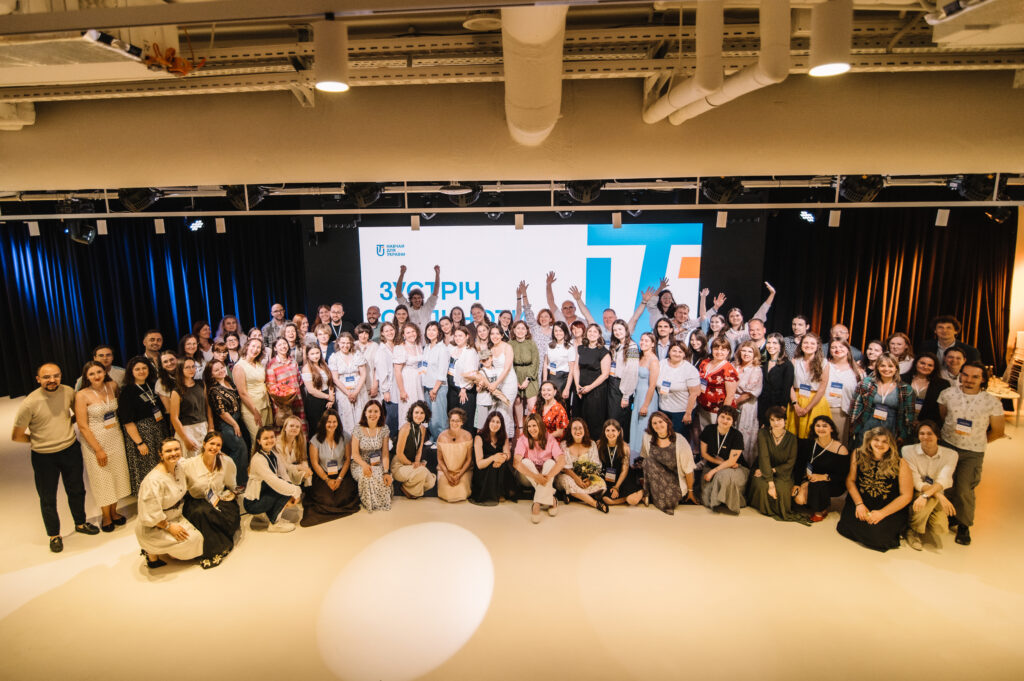
On December 4th, these and other questions brought together participants of the Annual Strategic Forum “From Challenges to Opportunities: Partnership of NGOs for Education” in Kyiv. The event was organized by the Teach for Ukraine NGO with the support of the international humanitarian organization Save the Children. It gathered education experts, representatives of civil society, government institutions, and international donors working to address educational losses in Ukraine.
For the first time at the forum, an analytical study titled “The Role of Non-Governmental Organizations in Studying and Overcoming Educational Losses in Ukraine” was presented. It highlights key challenges, approaches, and prospects in this field. The study proposes recommendations including adopting a National Strategy for Overcoming Educational Losses, expanding the functions of the All-Ukrainian Online School, creating a database of experience and a beneficiary registry, integrating educational initiatives into social programs, implementing algorithms for overcoming educational losses at the community level, developing model curricula, and launching a monitoring system for results. According to one of the study’s authors, sociologist and education researcher Iryna Kohut, these steps will help create a comprehensive approach to addressing educational losses in Ukraine.
The forum was opened by Sonya Cush, Director of Save the Children Ukraine. She believes that the country’s recovery depends on how educated and knowledgeable the youth rebuilding it tomorrow will be. She emphasized: “When we talk about educational losses, we are not only talking about missed lessons, literacy, numeracy, and critical thinking, but also about lost opportunities, safety, and stability. Alongside educational losses, it is crucial to address the social and mental well-being of children. Through overcoming educational losses and creating a safe environment, we give children opportunities and optimism about their future.”
“The problem of educational losses exists in almost every country in the world, but while most countries work on solutions strategically and in peace, Ukrainians face unprecedented challenges. When the full-scale invasion began, we could not copy or borrow post-COVID strategies from other countries — we had to write them from scratch. This forum is an opportunity to align plans and strategies of NGOs, government sectors, and international donors regarding overcoming educational losses, relying on research. We feel the need to strengthen cooperation and find new approaches,” said Oksana Matiyash, Chairwoman of the Board of Teach for Ukraine NGO at the panel discussion “Searching for Partnership Strategies to Overcome Educational Losses.”