Teach For Ukraine and the research agency Fama have released the results of a study examining how the full-scale war impacts the emotional wellbeing and learning of adolescents across eight frontline regions — in schools located in the Dnipropetrovsk, Zaporizhzhia, Kyiv, Mykolaiv, Sumy, Kharkiv, Kherson and Chernihiv oblasts. More than 3,400 teenagers, along with their parents, teachers and school psychologists, took part in the quantitative and qualitative stages of the research.
Learning losses are caused not only by missed classes due to air raid alerts, but also by the emotional state of students and their ability to regulate stress while studying. Without understanding the psychological challenges and cognitive barriers adolescents face, efforts to restore learning cannot be systematic or effective.

According to the study, 21% of teenagers show signs of emotional distress — symptoms of anxiety, depression or stress. Another third demonstrate anxiety or depressive tendencies that significantly affect their ability to learn.
Stress and depression further undermine cognitive processes. Students want to learn — as reflected in 44% reporting high internal motivation — but psychological overload makes it difficult to stay focused.
- how teenagers emotionally navigate war-related distress;
- what helps them maintain motivation to learn;
- how these experiences affect their cognitive functioning and learning;
- and what role school psychologists play in their daily school life.
This hierarchy of trust leaves almost no space for school-based adults.
- 44% trust their parents
- 24% — friends
- and only 1% trust homeroom teachers or school psychologists.
Cognitive difficulties — including problems with attention, memory and thinking — have become almost the norm.

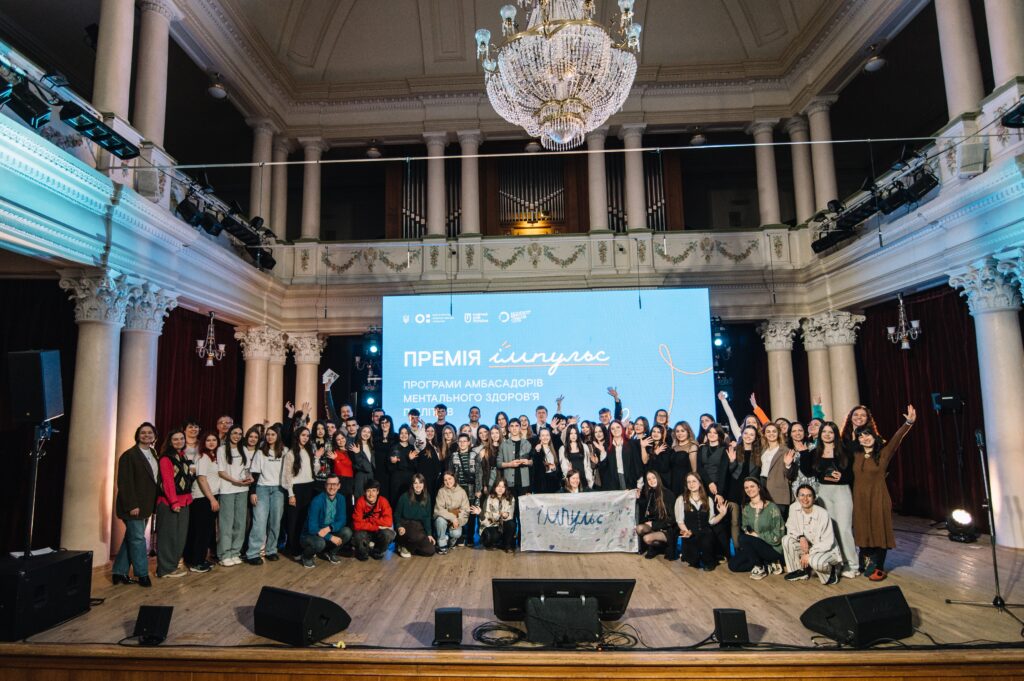
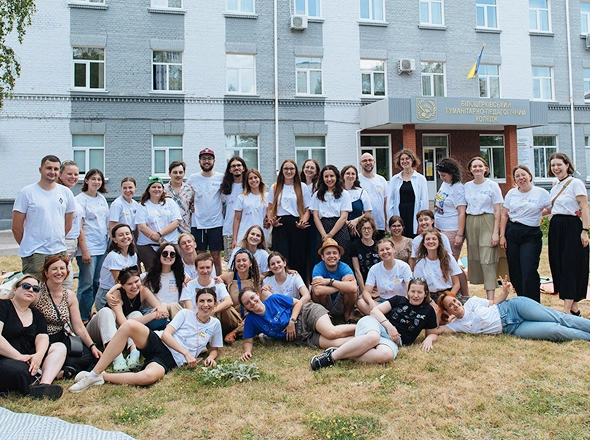
Based on the findings, Teach For Ukraine — within the multi-year resilience programme MYRP 2024–2026, funded by Education Cannot Wait (ECW), the UN global fund supporting education in emergencies, and implemented with the support of the Ministry of Education and Science of Ukraine — created the “Impulse” Youth Mental Health Ambassadors Programme. Ten school teams participate: 50 youth ambassadors and 10 teacher-coordinators. The programme develops emotional literacy, peer-support skills, simple daily wellbeing practices, and fosters a school environment where talking about emotions is normal and encouraged.
The first stage was a four-day intensive camp, after which the teams launched their own initiatives: film clubs, discussions and trainings, art-based practices, thematic days and media projects.

The study highlights that learning gaps are driven not only by disrupted schooling, but also by the emotional challenges adolescents face. Without taking these factors into account, educational efforts cannot be fully effective.
This is why “Impulse” — together with the upcoming national communication campaign — aims to build a culture of care and support in schools, and to amplify the voices of young people themselves.