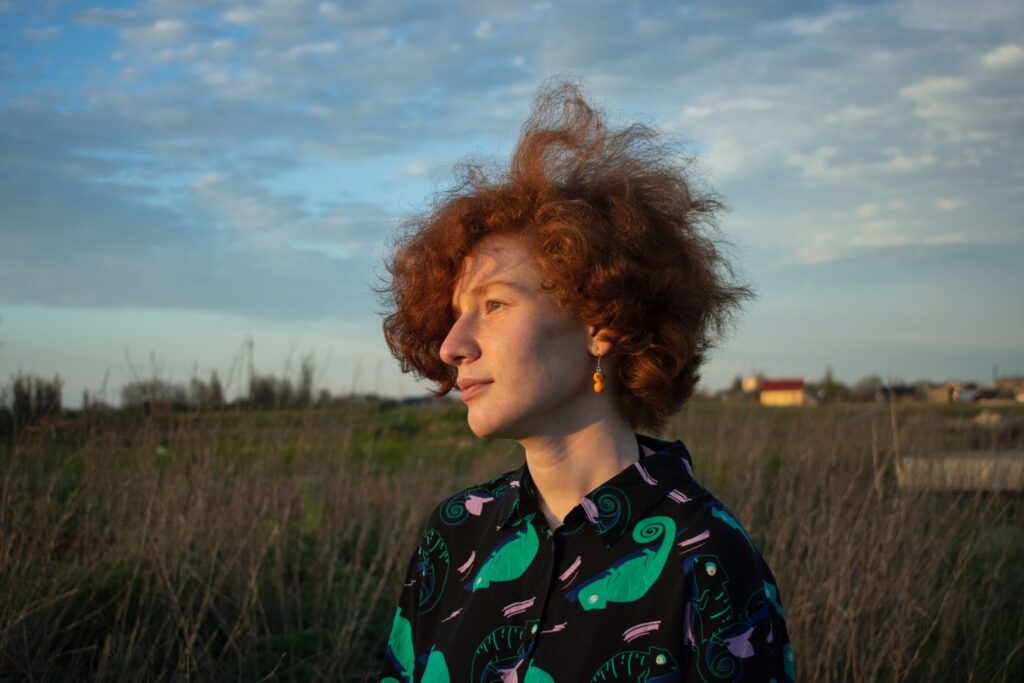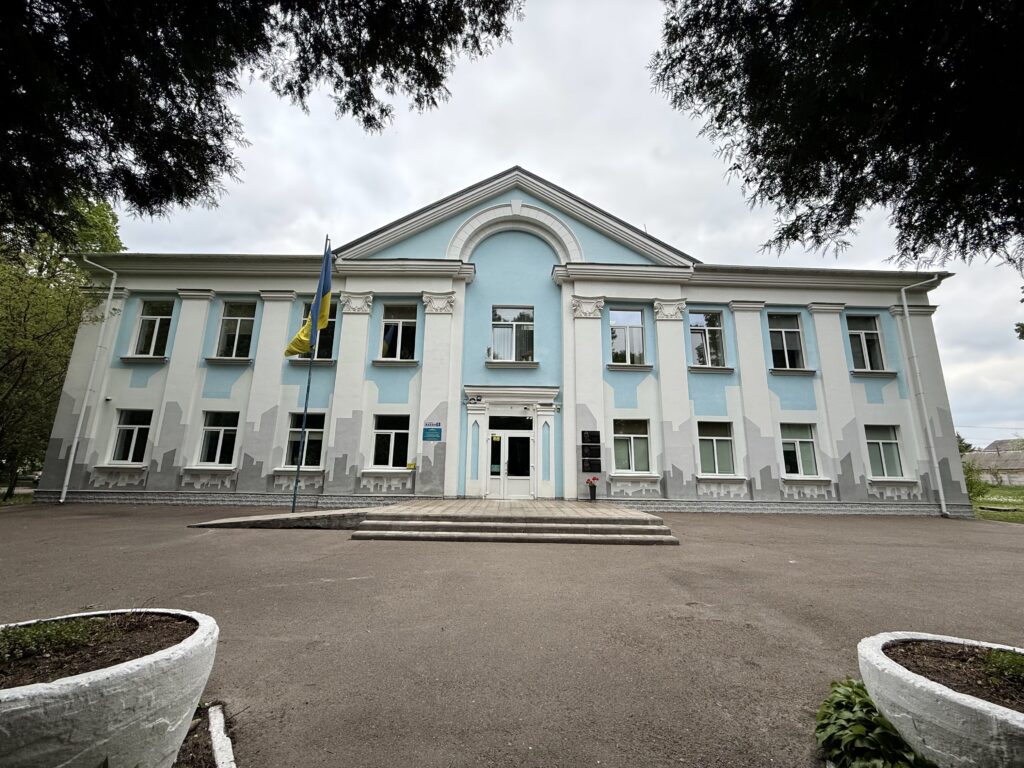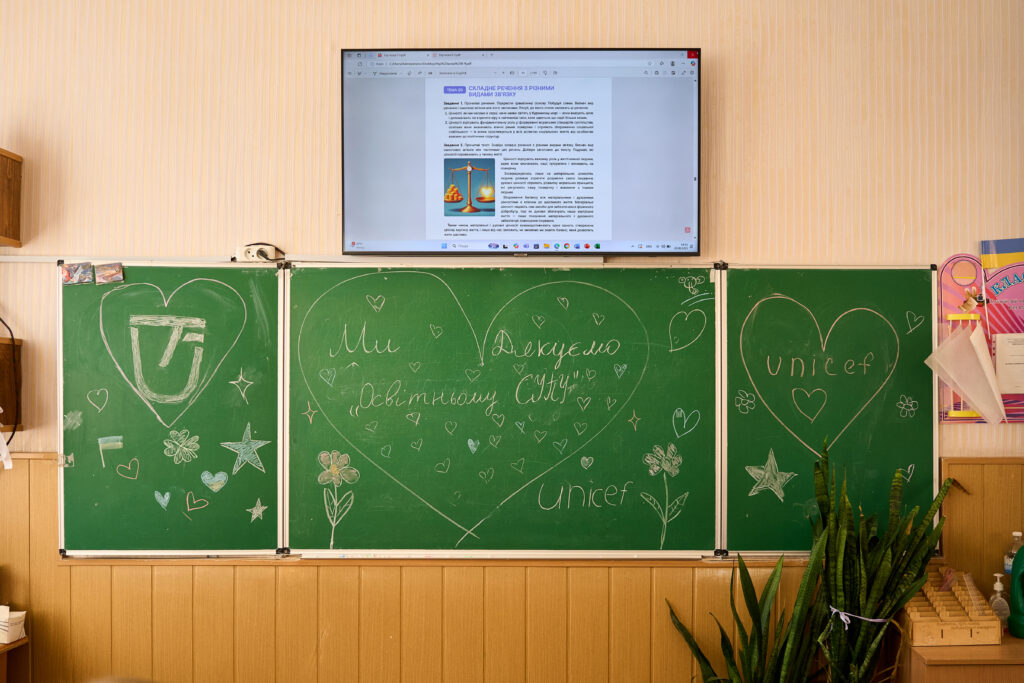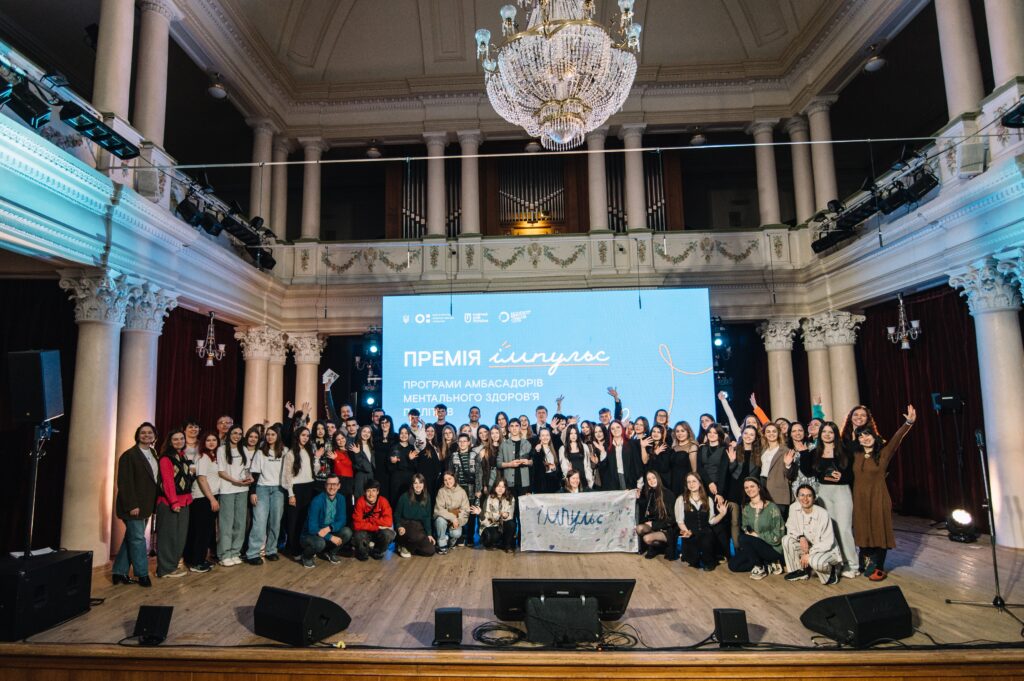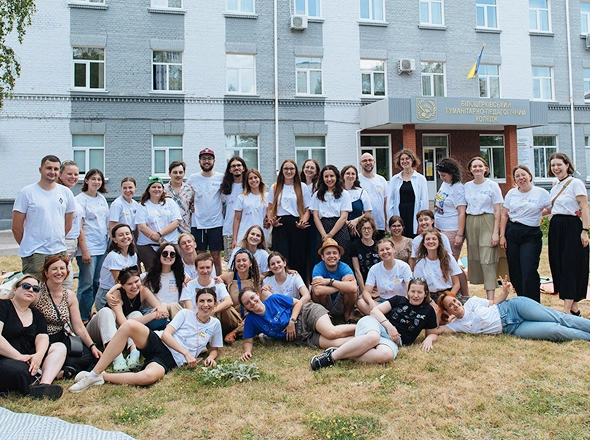
Mariia Ryzhenko and Oleksandr Ryzhenko are Teach For Ukraine Fellows and a married couple who teach geography and biology. Through the program, they moved to the Poltava region, where they began teaching at School No. 5 in Horishni Plavni.
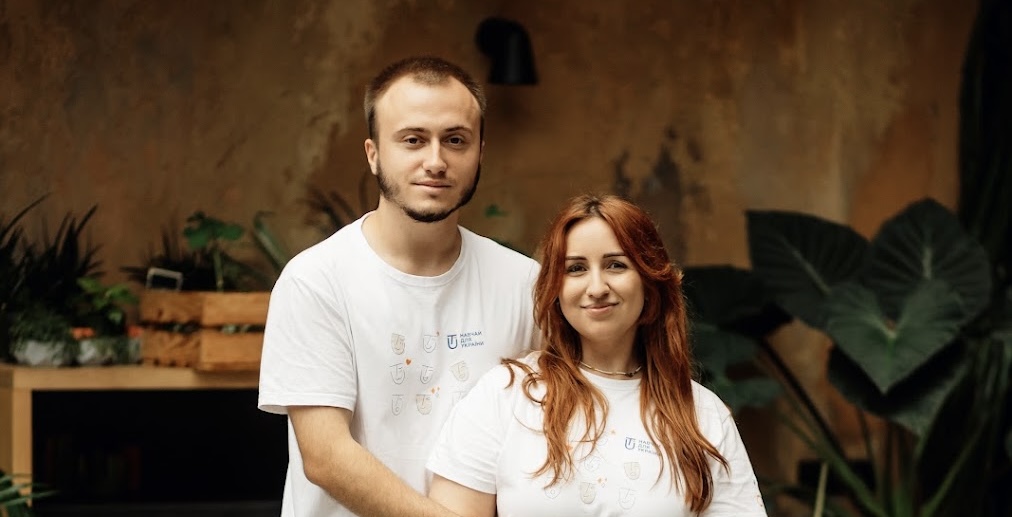
Oleksandr and Mariia preparing to join Teach For Ukraine
“We had been eagerly looking forward to the start of the school year at our new school. We couldn’t wait to get to know our students, teach engaging, interactive lessons, and see the children return to a full and vibrant school life. But once again, reality shattered all our hopes.
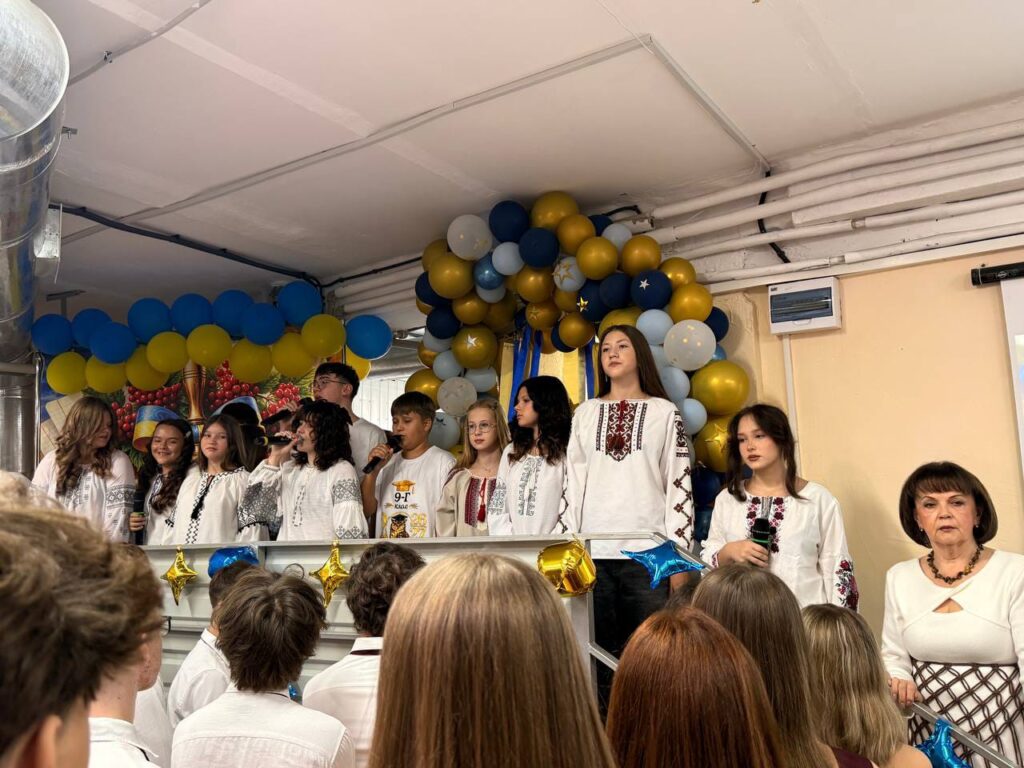
Around 75 percent of all our lessons this week have taken place in the shelter—a specially equipped basement in our school—as we took cover from Russian attacks. Even the traditional first-day-of-school ceremony on September 1 had to be held in the shelter in three separate sessions because it could not accommodate all the classes at once. Today, prolonged air-raid alerts kept us in the shelter for the entire school day—seven and a half hours. All of us had to remain in the basement throughout that time, huddled close together. The children grew exhausted and found it increasingly difficult to concentrate, and we had no way of knowing whether we would be able to leave before the end of the day.
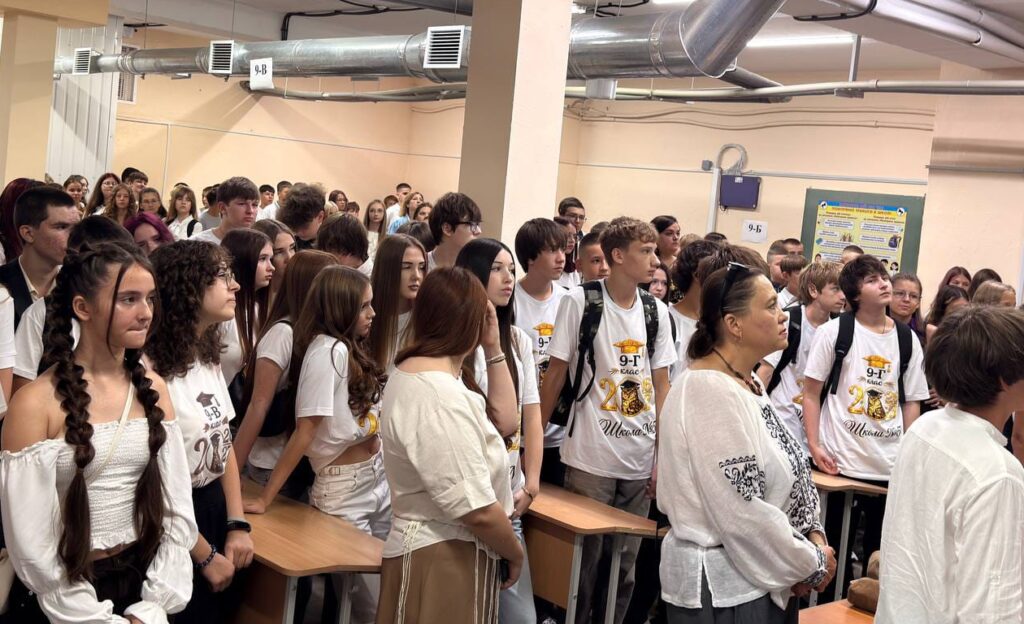
The children, of course, have the hardest time. They do not come to school just to learn formulas and rules. They need to run around, talk to their friends, and feel safe. Instead, their school lives are once again defined by sirens and concrete walls. It is frightening to think that sirens, explosions, and rushing down to the basement are becoming ‘normal’ for these children. They should never have to get used to any of this.
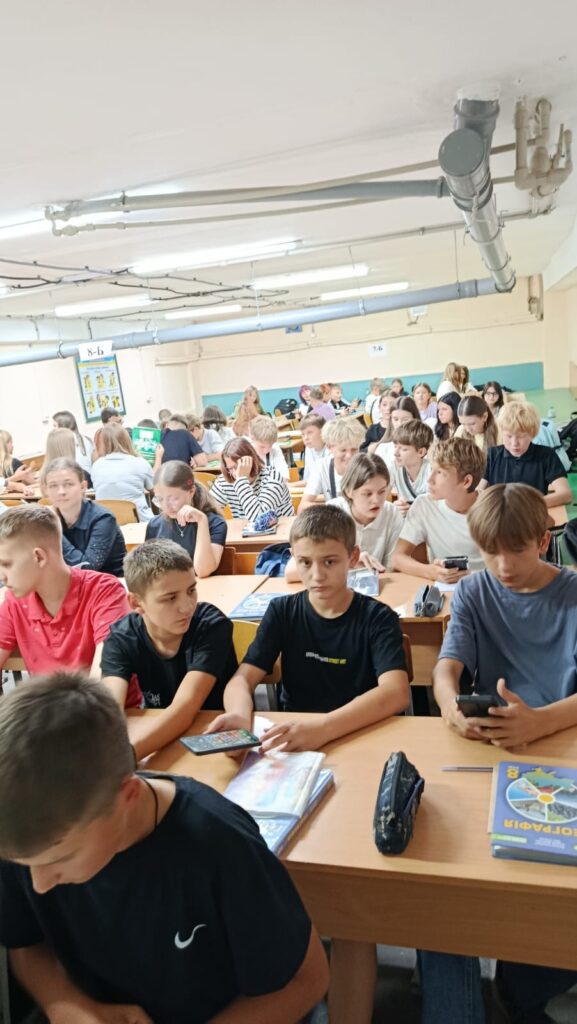
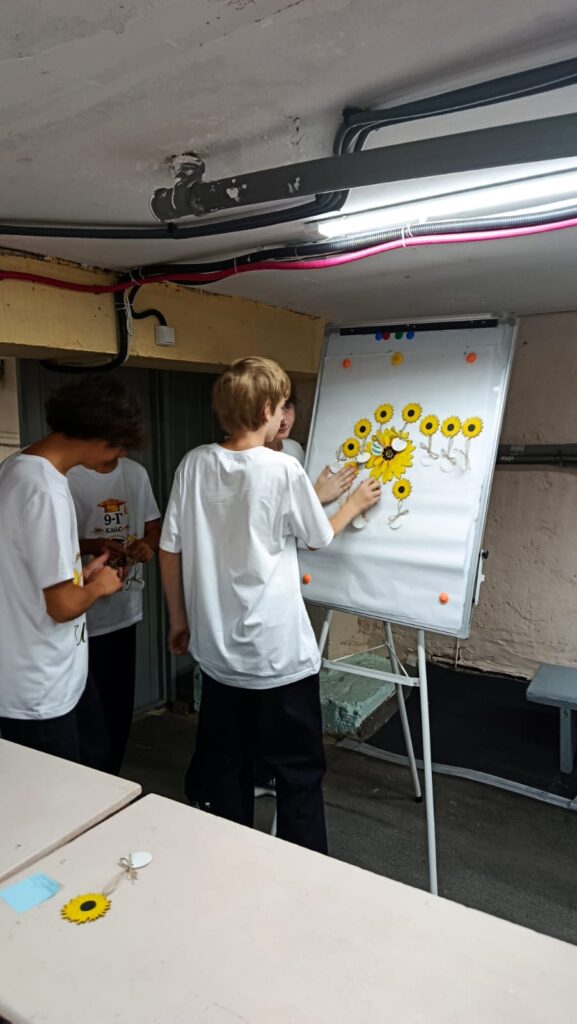
As teachers, we are learning to adapt on the fly: we carry flip charts down to the shelter, make do with printouts to compensate for the lack of equipment, and improvise activities on the spot just to hold the children’s attention. But it is impossible to teach properly amid endless air-raid alerts. We therefore had to make a difficult decision: beginning Monday, students in grades 5 through 9 will move to online learning for a week. Once again, it is back to screens.
The children find this discouraging, too. Russia’s war against Ukraine has forced them to spend years learning through screens, even though all they want is to see their classmates and experience a normal school life. But unfortunately, they do not have that opportunity.
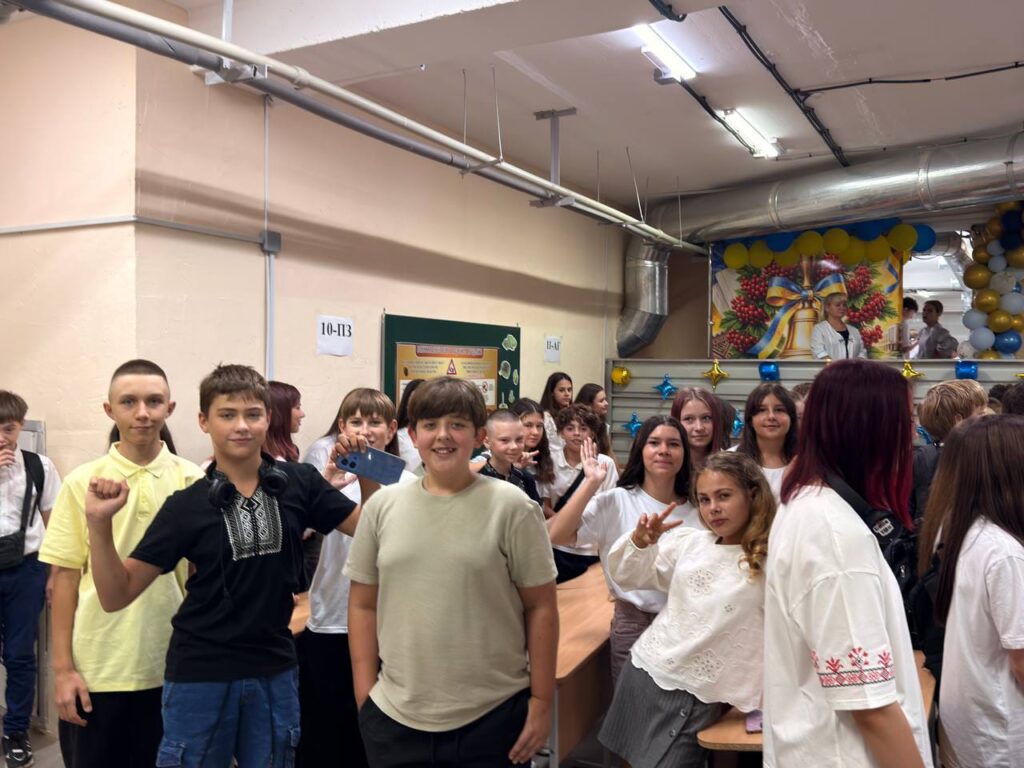
And yet, it is the children who keep us going. They raise their hands, ask questions, make jokes, and remain eager to learn and discover new things despite everything happening around them. They are incredibly strong. But behind this resilience, which seems far beyond their years, we must remember that they are still children. They need peace and the right to a safe childhood—not a life spent running to the basement at the sound of yet another siren and constantly wondering where the next strike will land.”